
The Shared Apartment as a Home
Roommate Wars & Midnight Kisses (My College Romance)This thread traces how a legally accidental studio gradually becomes a negotiated domestic space in which Leah and Liam learn to share labor, culture, privacy, and belonging.
increasing Bearing strength in each event
 decreasing
Bearing strength in each eventdecreasingThe Double Booking

An Impossible Arrival
Leah arrives at Apartment 3B expecting a private studio and instead finds Liam occupying it under a valid lease. The landlord admits that the unit was double-booked and offers no meaningful solution beyond forcing the two tenants to share.
Domestic Collision
The cramped apartment immediately becomes a legal and emotional problem. Leah has spent her savings and cannot return home, while Liam needs quiet for clinical work and study.
Accidental Coexistence
Their unwanted arrangement supplies the novel’s domestic engine. The space is too small for avoidance, making every boundary, habit, and attraction visible before either person is prepared to negotiate them.
Roommate Rules
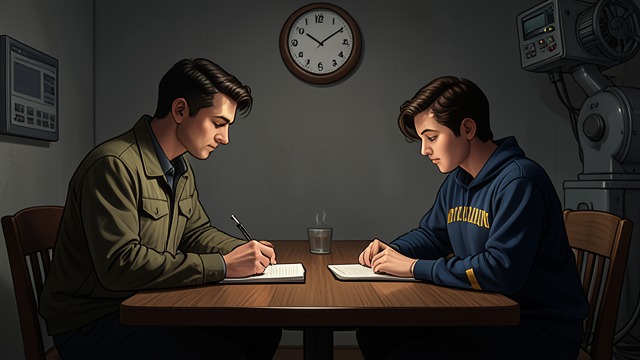
Drafting a Domestic Constitution
Leah and Liam sit across from one another and create rules for the apartment. They prohibit hookups, protect Liam’s EMT gear, establish post-shift quiet, and divide the bed and couch by alternating weeks.
Labor and Privacy
Leah adds a chore system, exam quiet hours, and bathroom warnings because the studio’s failed lock and limited surfaces make privacy fragile. Liam accepts most of the terms, converting the confrontation into a preliminary agreement.
Boundaries Before Affection
The Division of Labor Chart becomes an object that represents their hope of controlling chaos through explicit language. Its importance grows because later intimacy will require them to revise rules rather than pretend the original arrangement never existed.
Kitchen Territory

War Over Shared Surfaces
The kitchenette exposes incompatible domestic styles. Leah labels mugs, seals coffee, reorganizes the refrigerator, and separates raw food from leftovers, while Liam treats her systems as exaggerated responses to ordinary clutter.
The Fridge Border
They divide the refrigerator into named shelves, turning food storage into a territorial settlement. The arrangement gives Leah predictability and gives Liam a clear way to avoid accidentally violating her possessions.
A Fragile Peace
Although the exchange is comic, it reveals a deeper negotiation over whether the apartment belongs to one tenant or both. The labels are an early attempt to make shared life possible without requiring either person to surrender all control.
Jook Truce
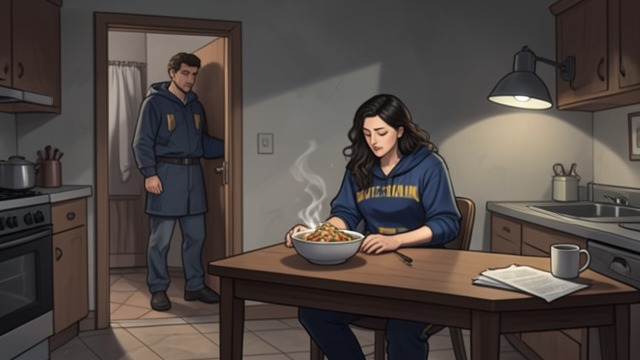
Food as Domestic Diplomacy
Leah cooks Jook with instructions from her mother, transforming the studio from a contested bedroom into a place that can hold family memory. When Liam comes home hungry, he accepts a bowl and discovers a comfort food that evokes his own grandmother’s kitchen.
Shared Histories
The meal allows them to discuss Korean and Jewish family traditions, immigration, homesickness, and the different selves they present at school and at home. Food becomes a language through which cultural distance becomes mutual recognition.
The First Real Household
Liam washes his bowl and offers to do dishes, while Leah packages leftovers. Their joking phrase about peace through porridge marks a change in the apartment’s emotional geography: it begins to feel like theirs rather than a site of forced coexistence.
Living Alone Together

Two Islands in One Room
After Leah moves back to the couch, she and Liam develop routines for avoiding emotional contact inside the same studio. They exchange practical information about showers, food, and breakers while refusing the intimacy that once animated ordinary conversation.
External Lives
Leah fills the silence with psych club, helpline training, outreach work, and counseling. Liam remains focused on shifts and study, but the apartment’s quiet no longer allows either of them to confuse physical proximity with relational health.
A Productive Separation
The arrangement is lonely, yet it prevents logistics from forcing reconciliation. The shared home becomes a laboratory for boundaries: they can care about one another without sharing a bed, and they can test whether affection survives when physical access is removed.
Reclaimed Domesticity
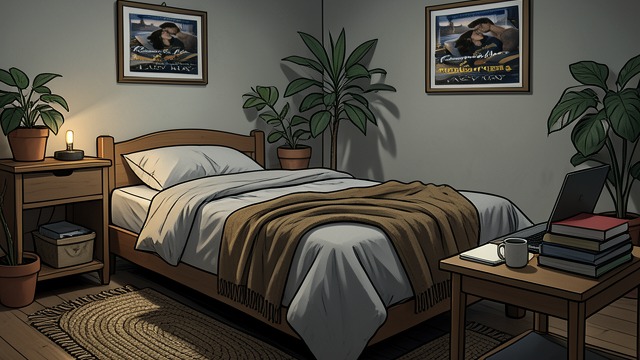
The Studio Becomes Theirs
By the final chapter, the apartment contains a rug, living plants, a photograph, shared clutter, and objects connected to both counseling and emergency work. Its physical transformation reflects the emotional work that made shared life possible.
Chosen Ordinary Life
Leah and Liam host friends, cook together, clean imperfectly, and joke about the original rules. The home is no longer sustained by avoidance or forced proximity but by repeated decisions to communicate and return after conflict.
A Future in Small Objects
The studio remains cramped and imperfect, yet it now represents chosen belonging. Domestic details—coffee, pajamas, homework, blankets, and a shared bed—become evidence that their relationship can be built in ordinary time rather than only in crises.
On Leah’s move-in day
The morning after Leah’s move-in
During the first week of cohabitation
After the first several weeks of classes
During the relationship pause in late fall
By the November ending
